
Couldn't load pickup availability
Luzchem’s ICH photoreactors represent our premier instruments for pharmaceutical photostability testing. Originally developed to meet the requirements of the International Conference on Harmonization (ICH) guidelines for photostability testing of new drug substances and products, these systems provide controlled irradiation environments that enable reliable and reproducible exposure studies.
Luzchem offers photoreactors for both ICH Option 1 and Option 2 testing protocols, allowing researchers to select the illumination method best suited for their regulatory or research requirements.
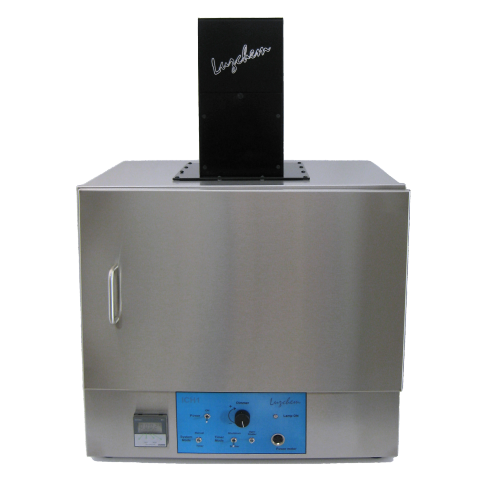
Option 1 photoreactors use xenon lamps to simulate natural sunlight across a broad spectral range. These systems provide high-intensity irradiation that closely replicates solar exposure conditions, making them ideal for accelerated photostability testing and experiments requiring broadband illumination.
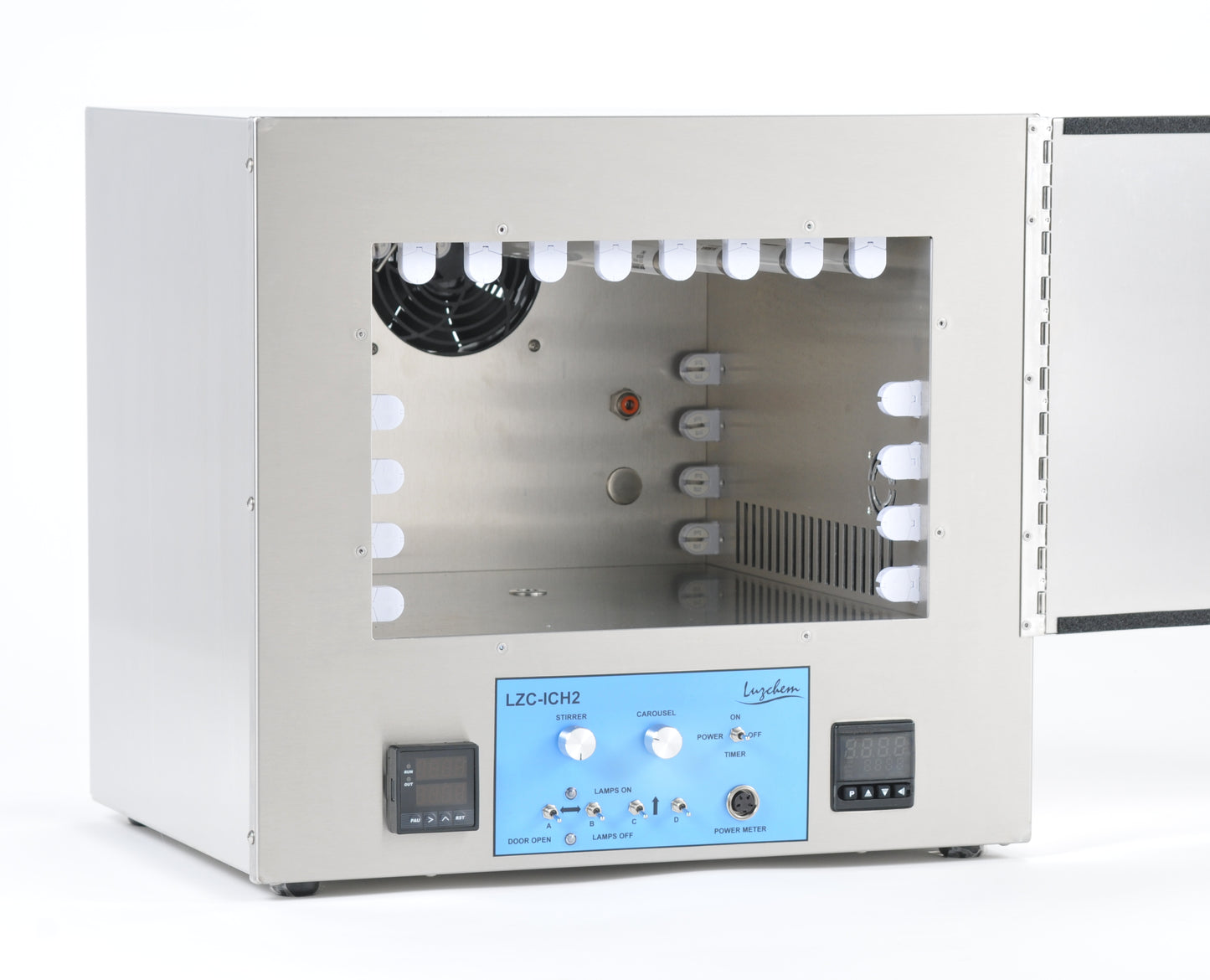
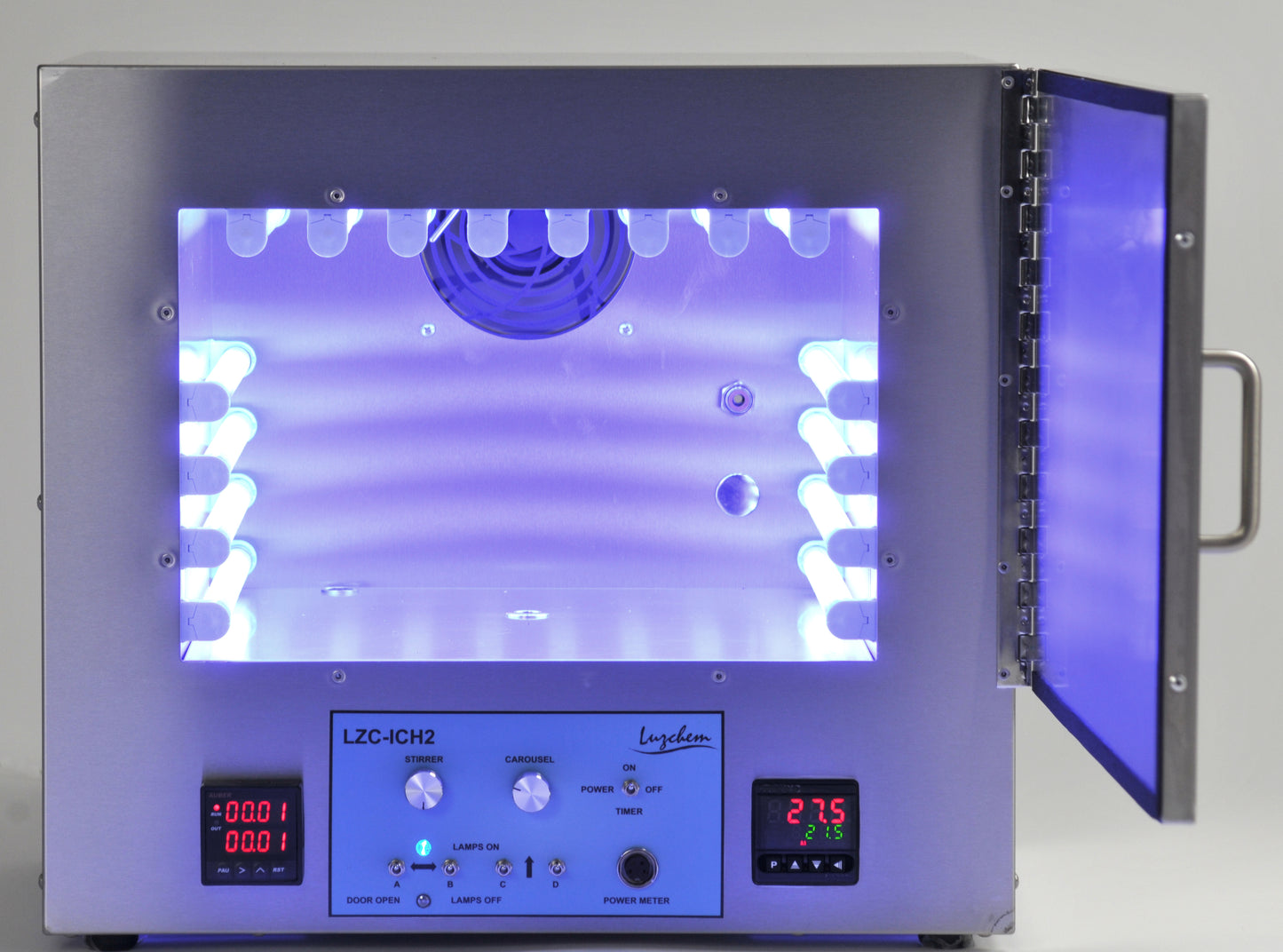
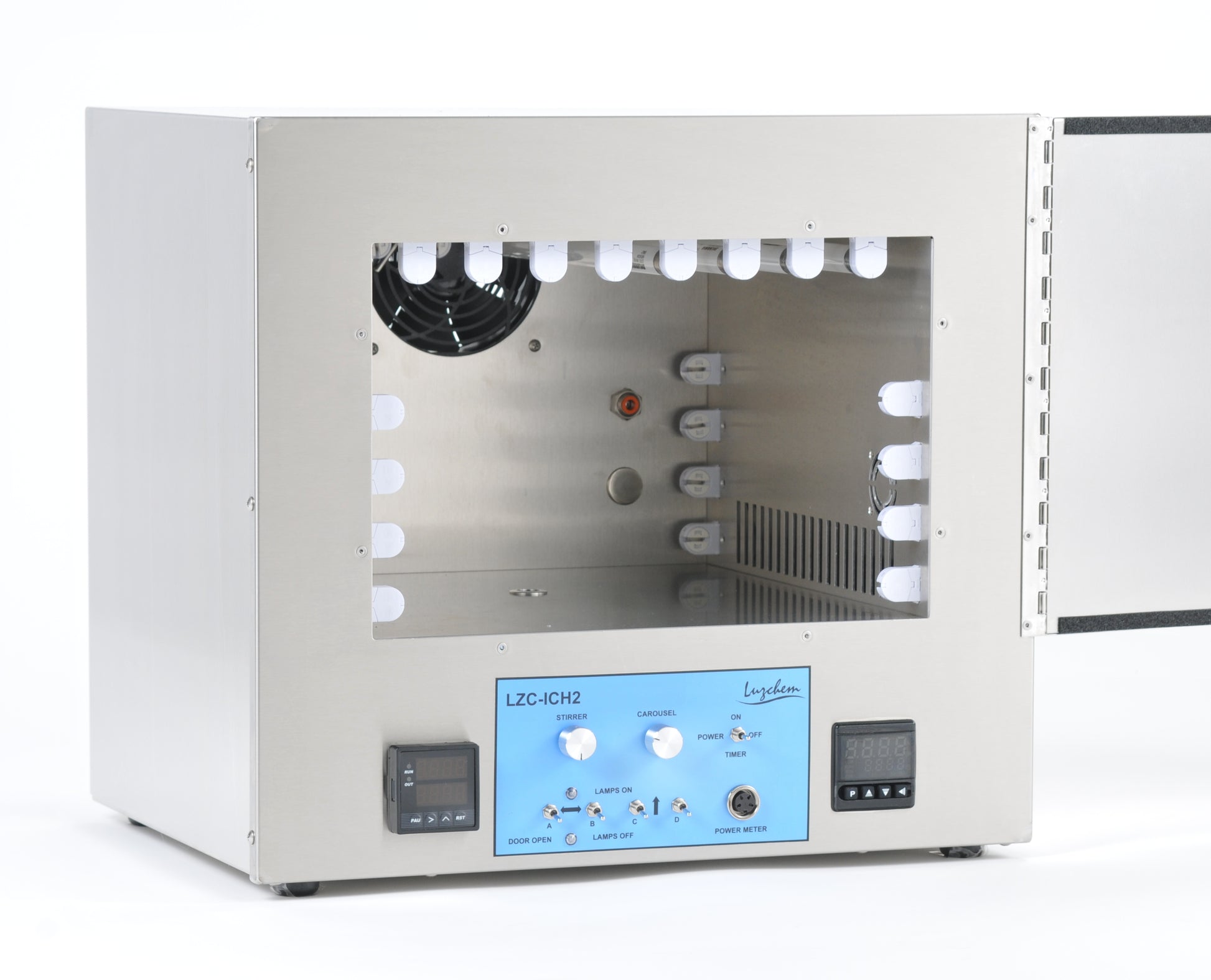
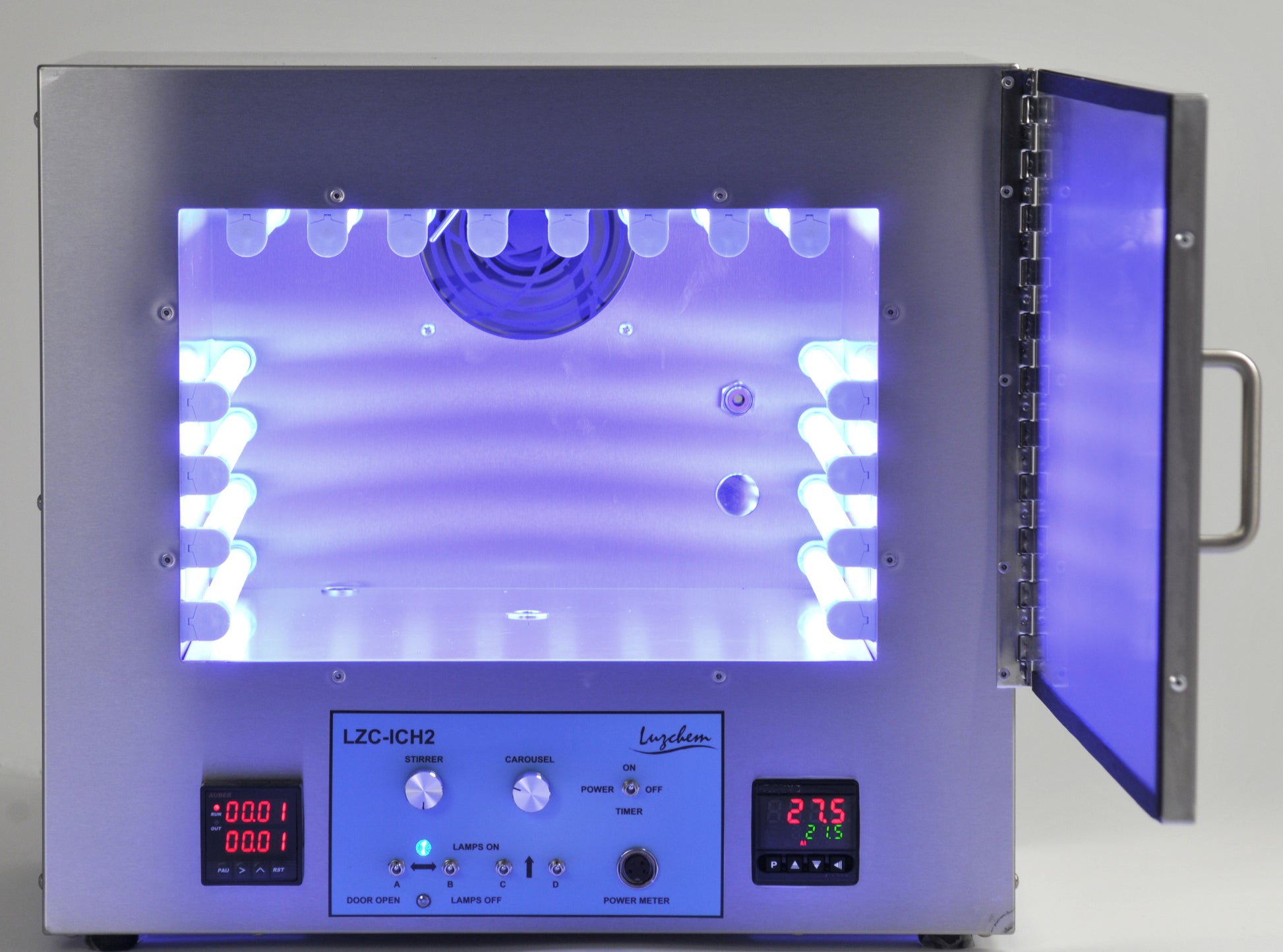
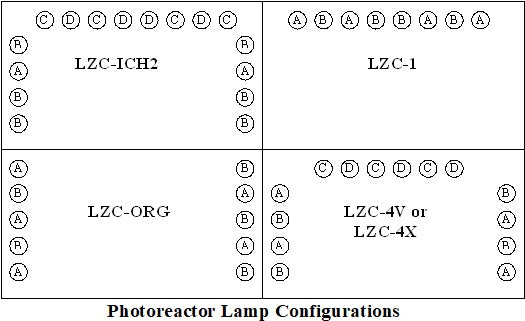
Option 2 photoreactors use carefully selected UVA and visible fluorescent lamps arranged around the sample chamber to deliver the exact dose of irradiation specified in ICH guidelines. These systems provide uniform illumination and precise dose control for pharmaceutical stability studies.
Luzchem’s ICH photoreactors include essential laboratory features such as integrated timers, power measurement systems for monitoring irradiation dose, sample carousels and turntables for uniform exposure, and safety interlocks for secure operation. CCP models also offer computer-controlled operation, enabling automatic logging of exposure conditions, irradiation dose, and experiment parameters for full traceability.
The Luzchem ICH photoreactor family includes three systems:
-
LZCX-ICH1 – Xenon lamp photoreactor certified for ICH Option 1 solar simulation exposure
-
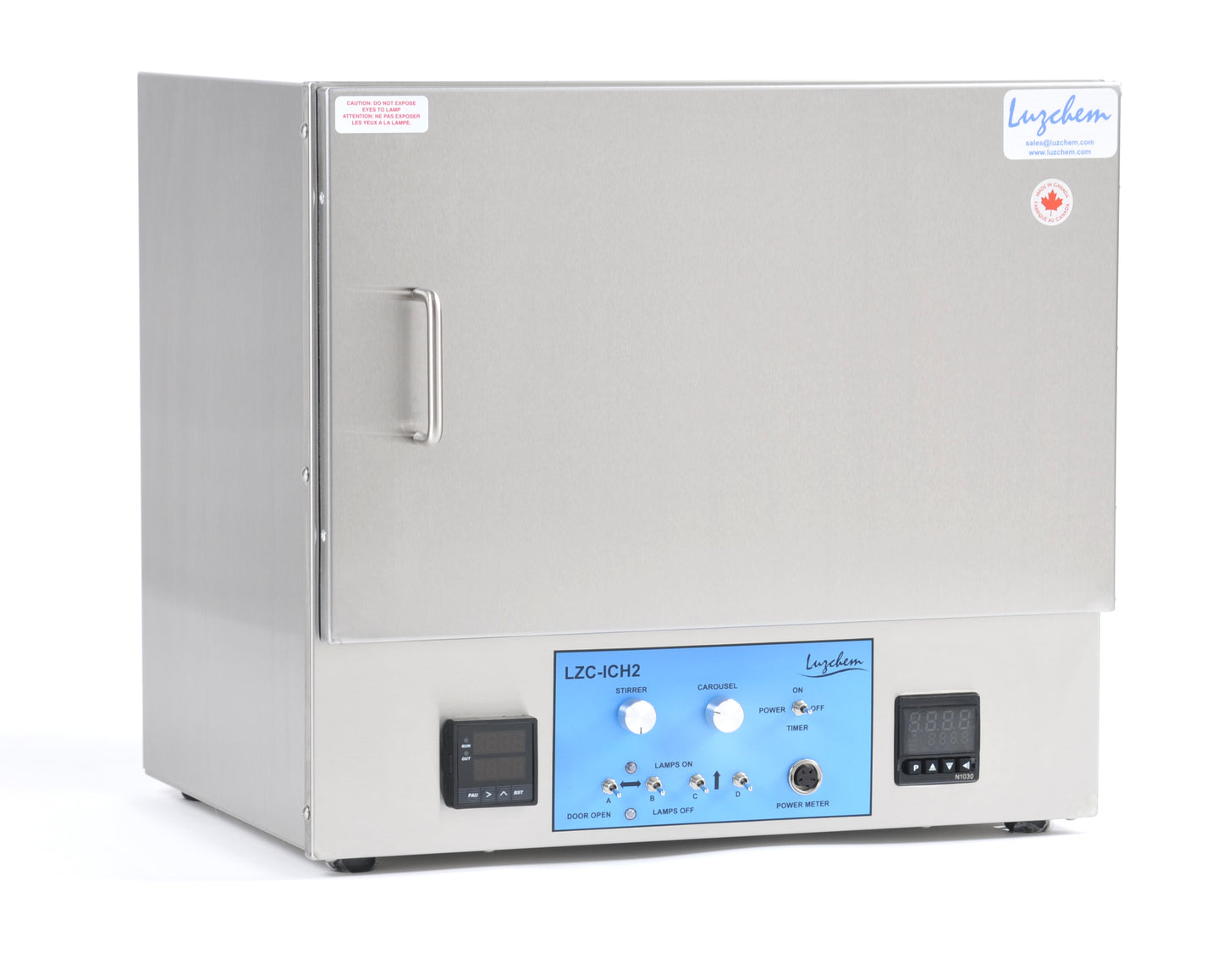
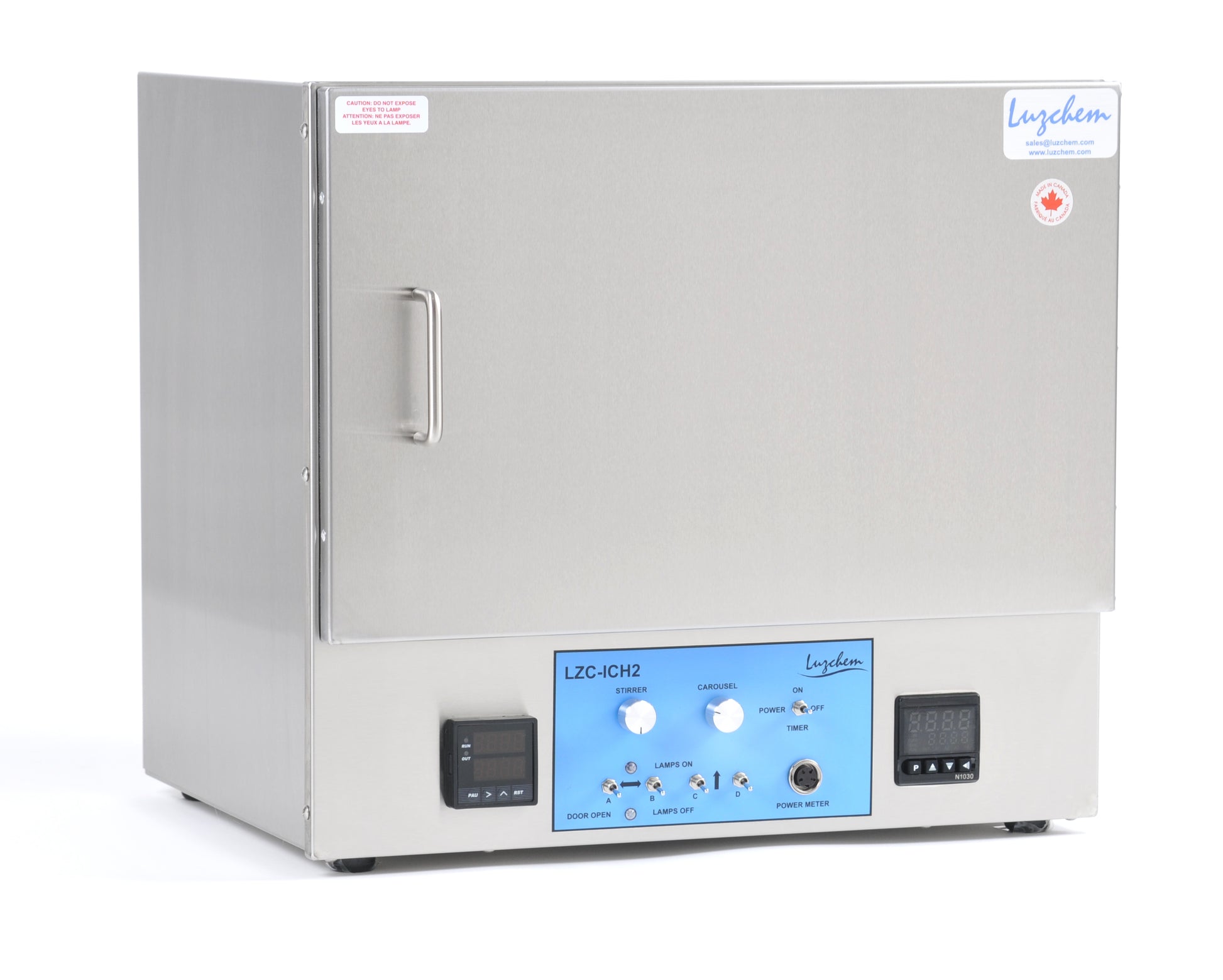
LZC-ICH2 – Stand-alone fluorescent lamp photoreactor certified for ICH Option 2 testing
-
CCP-ICH2 – Fully computerized ICH Option 2 photoreactor with automated exposure logging
These systems are widely used in pharmaceutical development, stability testing laboratories, regulatory compliance studies, and photochemical research.
For additional information about ICH photostability testing requirements, please visit our ICH primer page.
We accept